Why it matters here
Oshawa and the rest of Durham see long stretches of cold, with nights well below freezing and wind off the lake or across open fields. Pipes inside heated spaces generally stay safe. The trouble starts where plumbing runs along exterior walls, through garages, into crawlspaces or out to the yard. Water expands as it freezes, and a line that freezes solid can split, then gush once it thaws.
Older homes in the city's core and rural properties in the north of the region carry the highest risk, but newer houses have their own weak spots, such as plumbing over cantilevered floors and in attached garages.
Step by step
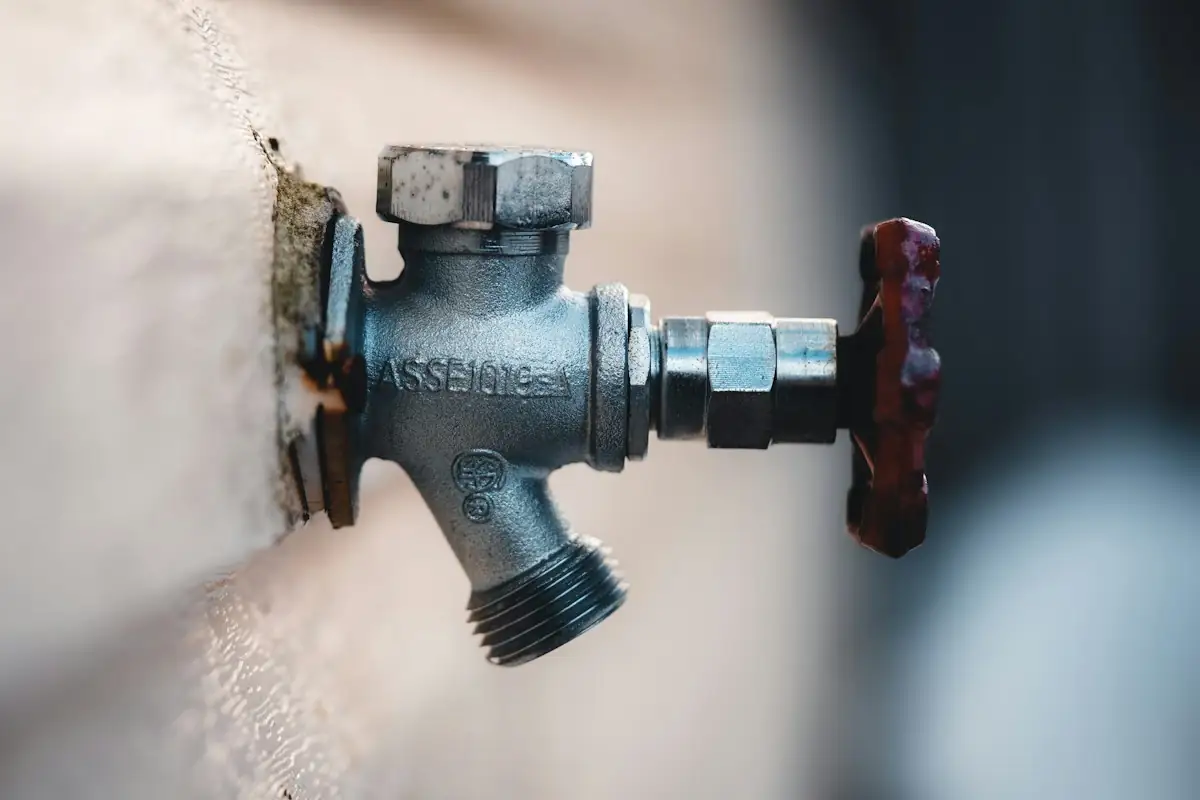
- Disconnect hoses. Remove every garden hose before the first hard frost. Frost-free taps only work when the hose is off.
- Shut and drain older outside taps. If your tap has an inside shut-off, close it, then open the outdoor tap so the line empties. Leave it open over winter.
- Check exterior walls. Note any sinks on outside walls, especially in kitchens and bathrooms. Open the cabinet doors on cold nights so warm room air reaches the lines.
- Look in the garage. If water pipes run through it, insulate them with foam sleeves and keep the garage door closed.
- Seal drafts. Gaps around the rim joist, dryer vents and where pipes leave the house let cold air in. Seal them with caulk or foam.
- Plan for absences. If you leave for a week, leave the heat at a moderate level and arrange for a friend to look in on the house.
- Close the cottage properly. Seasonal properties need water drained from lines, tanks, traps and the water heater, with antifreeze in traps where appropriate.
A small drip from a faucet on an outside wall during a deep cold night keeps water moving and will prevent a freeze in a known problem spot.
Mistakes to avoid
- Never thaw a pipe with a torch or open flame. It is a fire risk and can damage the pipe.
- Do not turn the heat way down in an empty house during a cold spell.
- Do not assume a pipe is fine after it thaws. Check for leaks along the whole run.
- Do not leave a garden hose connected to a frost-free tap.
When to call a plumber
Should a tap deliver little or no water on a cold morning, a line may be frozen. If you see water spraying or a ceiling bulging, shut off the main valve immediately and call for burst pipe repair. We can also reroute vulnerable lines or add insulation to known problem areas.
Winter is also hard on water heaters, which work harder heating colder incoming water. If yours struggles to keep up, ask about electric water heater installation or other options. When spring arrives, follow up with our spring sump pump check.